Synergy in Action: United for Cebu’s Historic Heart

When the government, the private sector, and the Church move in the same direction, transformation becomes possible, not just in infrastructure, but in the soul of a city.

This was the essence of the statement shared by Joe Soberano, President and CEO of Cebu Landmasters Incorporated, during the opening of Patria de Cebu. His message was more than ceremonial; it was a clear commitment to the Cebu City Government and to the people of Cebu. that progress can be meaningful when it is anchored in cooperation and respect for heritage.

Present at the event was Cebu City Mayor Nestor Archival , alongside the Roman Catholic Church, represented by Archbishop Emeritus Jose Palma. Their presence symbolized a rare but powerful convergence of leadership: public service, private enterprise, and faith working together toward a shared vision.

The initial focus of this collaboration is the beautification and revitalization of Cebu City’s downtown, beginning with the historic surroundings of the Cebu Metropolitan Cathedral, a site that has stood witness to centuries of Cebuano faith, culture, and history.

Rather than development that erases the past, this initiative seeks to enhance what already exists, giving dignity to heritage spaces while making them more accessible, livable, and vibrant for today’s generation.

Cebu City is not just an urban center; it is the cradle of Christianity in the Philippines, the heart of early trade, and a living museum of colonial and pre-colonial history. Any effort to uplift the city must therefore balance modernization with preservation.

This tri-sector partnership recognizes that truth: progress does not mean forgetting where we came from, it means building forward with memory and meaning. When coordination and collaboration truly happen, the benefits ripple outward.

Heritage is protected, public spaces are improved, local communities gain renewed pride, and the city strengthens its identity—not only as a hub of commerce, but as a place where history, faith, and development coexist. In this shared effort, Cebu City is reminded of a powerful lesson: the most enduring developments are those built not by one sector alone, but by a united community, honoring its past while shaping its future.

Patria de Cebu is a living symbol of what collaboration can achieve. Redeveloped through a joint effort of the Roman Catholic Church and Cebu Landmasters Incorporated, it transforms a historic space into a place where the past and present meet.

Now open with a supermarket and a growing mix of food outlets, Patria de Cebu is once again bringing life back to downtown. Soon, it will also welcome the Mercure Hotel by Accor, the first international hotel brand in downtown Cebu City, a powerful sign that faith, heritage, and progress can move forward together, restoring pride in the heart of the city.

Why is Cebu the Lechon Capital of the Philippines?

Cebu became the Lechon Capital of the Philippines not by marketing or modern hype, but through a culinary tradition rooted in pre-colonial Visayan culture, refined over centuries, and documented as early as the late 16th and 17th centuries by Spanish chroniclers and missionaries.

Long before Spanish colonization, Cebuanos were already roasting meat over open fire as part of ritual and communal life. This is not speculation; it is supported by early Spanish vocabularios compiled specifically to understand—not alter—local customs.

In the Vocabulario de la lengua bisaya (1617–1619) by Fr. Mateo Sánchez, Cebuano terms such as inasal and sinugba were already clearly defined. The existence of multiple, precise words for fire-roasting strongly suggests that these practices were well established and culturally embedded, not newly introduced by Europeans.

Later editions of the Diccionario Bisaya-Español by Encarnación further reinforce this point. They describe different methods of roasting meat, including the turning of large cuts over fire, an indication that Visayans were already familiar with cooking whole animals or substantial portions, a technique central to what would later be known as lechon.

This linguistic evidence is confirmed by eyewitness accounts. In Relación de las Islas Filipinas (1582), Miguel de Loarca described Visayan feasts where pigs were slaughtered and roasted for weddings, alliances, and major communal celebrations. He emphasized that pigs were not everyday food but prestige animals, reserved for moments of social importance. This establishes pig roasting as ceremonial and symbolic, not merely culinary.

The most detailed account comes from Fr. Francisco Ignacio Alcina, SJ, whose Historia de las Islas e Indios de Bisayas (1668) remains the most comprehensive ethnographic record of the Visayas. Alcina meticulously documented cooking methods involving open-fire roasting of pigs for fiestas, rituals, and peace pacts. He explicitly noted the social prestige attached to hosting such feasts and made clear that these practices were pre-Hispanic in origin, later continuing under Spanish influence rather than being replaced by it.

Although lechon is a spanish word which means suckling pig, early Cebuanos have a word for it, Inasal. To this day, Lechon is also called baboy inasal.

What makes Cebu distinct is how these early traditions were perfected and preserved. Cebu lechon developed its signature identity through:

  • Native or leaner pigs, ideal for crisp skin
  • Aromatic stuffing of tanglad, garlic, onions, pepper, and spring onions
  • No internal sauces, the flavor comes entirely from herbs and technique
  • Slow, even rotation over charcoal for hours

This mastery of technique was passed down through generations of lechoneros, especially in places like Talisay City, Carcar City and Liloan now widely recognized as the lechon bailiwicks within Cebu itself.

Lechon in Cebu also remained culturally central, not seasonal. It became a fixture in town fiestas, weddings, birthdays, and even modest gatherings—symbolizing hospitality, abundance, and communal pride. Over time, what began as ritual roasting evolved into a refined culinary art without losing its cultural soul.

By the late 20th century, Cebu lechon had gained national prominence, flown regularly to Manila for major events.

International recognition followed, most famously when Anthony Bourdain praised Cebu lechon as one of the best pork dishes in the world, remarkable for being flavorful without sauce.

In essence, Cebu did not invent lechon. What it did was far more significant:
It preserved, refined, documented, and elevated an ancient Visayan tradition into a culinary identity recognized across the Philippines and the world.

Cebu did not claim the title. It earned it—over centuries.

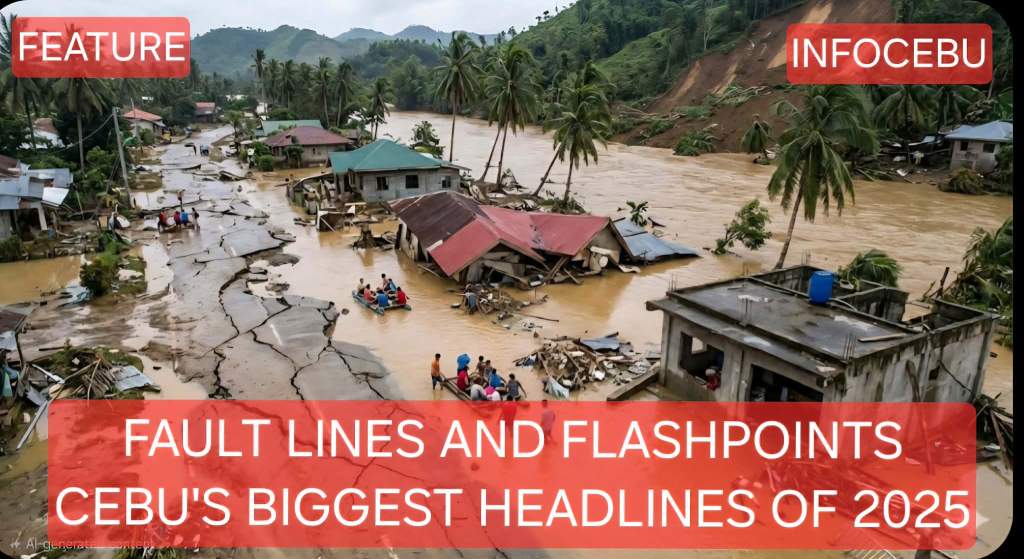
Fault Lines and Flashpoints: Cebu’s Biggest Headlines of 2025

2025 will be remembered in Cebu as a year that tested its people’s strength — and revealed their resilience. From natural disasters to political earthquakes and from local news to international events that shaped the Cebuano consciousness, dominated headlines, and defined the year.


1. The 6.9-Magnitude Earthquake That Shook Bogo City

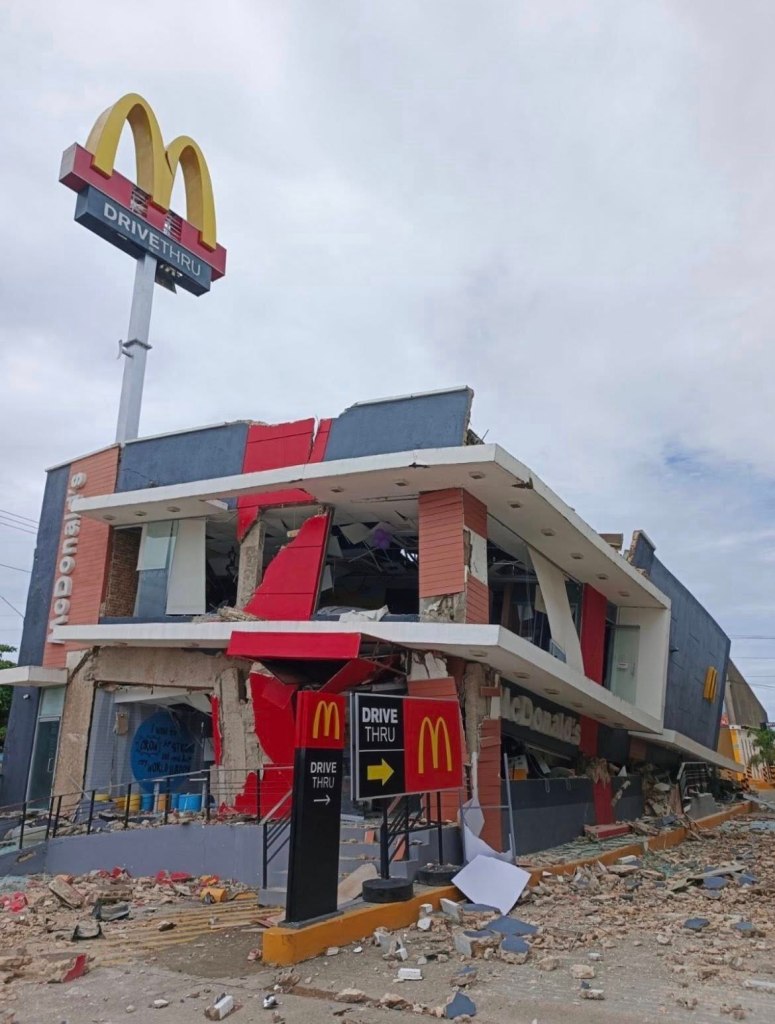
On a quiet evening in late September, northern Cebu was jolted awake by a 6.9-magnitude earthquake with the epicenter striking near Bogo City. Buildings cracked, roads split, centuries-old churches suffered damage, and thousands ran into the streets in panic. More than seventy died, and the trauma lasted for months as thousands of aftershocks persisted. The quake also exposed a number of sinkholes in the towns of San Remigio, Tabuelan, Daanbantayan and Bogo City.

It was the strongest quake Cebu had felt in decades.


2. Typhoon Tino and the Flashfloods of 2025

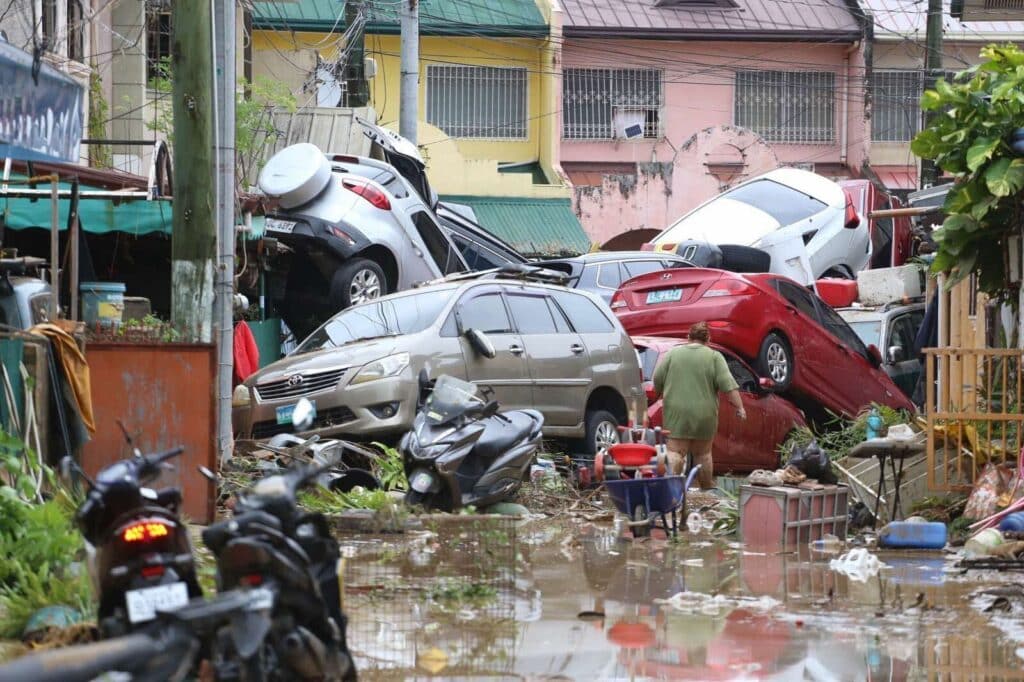
Just months after the quake, Typhoon Tino barreled into the Visayas, unleashing torrential rains that triggered flashfloods from Liloan to Talisay and parts of Northwestern Cebu. Viral videos showed cars floating along subdivisions and normally busy streets, while entire barangays in Mandaue and Consolacion turned into waist-deep water channels. The number of dead and missing reached more than 200, the worst in Cebu in decades.

Tino also exposed the failure of flood control measures and the billions of pesos wasted, carried away by the rushing waters.


3. The Surprise Victory of Pam Baricuatro & The Election Shockwaves

The Cebu political landscape was shaken when Pam Baricuatro pulled off one of Cebu’s most unexpected electoral victories. Her grassroots campaign, relatable messaging, and digital mobilization turned her into an overnight political phenomenon.

The 2025 elections also produced several upsets across the province, a new generation of leaders emerging, traditional political dynasties shaken, and voters’ preferences shifting dramatically.


4. The Flood-Control Controversy & Whistleblower Testimonies

The year’s biggest corruption narrative erupted when government insiders Discaya and Zaldy Co dropped explosive testimonies exposing alleged irregularities in flood-control projects.

Ghost projects, massive cost overruns and questionable contractors triggered public outrage. Names of Cebu contractors and politicians also made it to the list. This made way for anti-corruption rallies, with citizens, students, and clergy demanding accountability and transparency.

It was a national scandal with the Cebu floods as emotional epicenter.


5. The Arrest of Former President Rodrigo Duterte

In a historic and deeply polarizing moment, former President Rodrigo Duterte was arrested and sent to Hague, The Netherlands on charges linked to alleged abuses committed while waging a war on drugs during his term. Cebu, one of his political strongholds, reacted with a mix of disbelief, anger, and support.

Rallies formed on both sides — for and against the arrest — making Cebu a critical barometer of national sentiment.


6. The Impeachment of Vice President Sara Duterte

Another political turbulence, VP Sara Duterte’s impeachment or attempt to remove her in power dominated the early months of the year. The Supreme Court in July ruled the move as unconstitutional but the heated debates linger on in social media spaces.


7. A Slowdown in Economy and Tourism

Despite high expectations for post-pandemic recovery, 2025 brought sluggish tourism arrivals, reduced investor confidence, and slower-than-projected economic growth. The strong dollar, national political turmoil, rising inflation, and global uncertainties contributed to a quieter business environment.

Cebu’s key sectors — real estate and hospitality — felt the drag more than expected.


8. Cebu Welcomes a New Archbishop: Abet Uy

A moment of unity and spiritual renewal to millions of Roman Catholics came with the appointment of Archbishop Abet Uy as Cebu’s new shepherd. Known for his humility, humor, and hands-on pastoral approach, Archbishop Uy’s arrival from Bohol and installation drew crowds and widespread media coverage.

Many hailed him as a symbol of hope in a year filled with tension and anxiety.


9. The Mystery of the Missing Sabungeros Lives On

Years after their disappearance shocked the nation, the missing sabungeros case resurfaced in 2025 as new leads, conflicting testimonies, and reopened investigations pulled the media back into the mystery.

Families continued to demand justice. Authorities insisted progress was being made. But by year’s end, the truth remained elusive — and the public remained captivated.


10. Derek Ramsay-Ellen Adarna Separation

One of the news stories that created a major buzz in 2025 was the separation of celebrity couple Ellen Adarna and her husband, Derek Ramsay. Their split dominated headlines and fueled online discussions. What began as a whirlwind romance that quickly led to marriage, once believed to be their happy ending—ultimately ended in separation just a few years later.


A Year That Tested Cebu — And Revealed Its Spirit

Earthquakes. Storms. Political drama. Economic slowdown. Crime and controversy. And in the middle of it all, a community that refused to break.

Cebu in 2025 was turbulent, emotional, unpredictable — but also hopeful, united, and resilient.

Because no matter the crisis, Cebuanos always rise.

The Unfortunate Fleet of Sulpicio Lines


The Ill-Fated Sulpicio Lines

For decades, Sulpicio Lines was not just a shipping company, it was a lifeline, a bridge, a faithful companion to millions of Filipinos who crossed the seas between Cebu and the rest of the archipelago.

Founded in 1973, and headquartered in the bustling maritime city of Cebu, Sulpicio Lines quickly rose from humble beginnings to become one of the largest and most relied-upon passenger and cargo shipping companies in the Philippines. At its peak, its fleet crisscrossed routes from Cebu to Manila, Davao, Zamboanga, Cagayan de Oro, Iloilo, and beyond.

For countless families, riding a Sulpicio vessel was a chapter in their lives—OFWs coming home, children returning for school vacations, lovers reuniting, entire communities moving across islands. Sulpicio Lines symbolized connection and hope.

But the seas, as always, have a long memory.

A Giant Shadowed by Tragedy

Behind the company’s impressive rise lay a series of tragedies that would forever stain its legacy. Not one, not two, but four of the deadliest maritime disasters in Philippine history bore the name Sulpicio Lines.

1987 – The MV Doña Paz

MV Dona Paz

A festive December night turned into the darkest chapter in Philippine maritime history. The Doña Paz, massively overcrowded, collided with the oil tanker MT Vector. In minutes, fire consumed the sea. Over 4,000 lives were lost—mothers, children, entire families—making it the deadliest peacetime maritime disaster in the world.

The nation mourned.

But for Sulpicio Lines, this was only the beginning of a haunting pattern.

1988 – The MV Doña Marilyn

MV Dona Marilyn

Just a year later, her sister ship was claimed by Typhoon Ruby. Hundreds more never returned home.

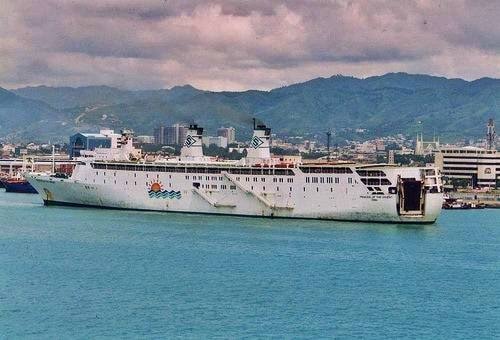
1998 – The Princess of the Orient

MV Princess of the Stars

A powerful storm off Batangas Bay sent the vessel to the depths, taking more than a hundred lives with it.

2008 – The Princess of the Stars

MV Princess of the Stars

Caught by Typhoon Frank, the ship capsized near Romblon. More than 800 died. It was a national heartbreak.

Each tragedy carved deeper wounds into the soul of a company once trusted by millions. Each disaster added layers of grief to the Philippine maritime history.

And with every loss, public trust slipped further away.

A Company Forced to Change Course

By the early 2010s, Sulpicio Lines was no longer the giant it once was. Government pressure, lawsuits, investigations, and the weight of its own history pushed the company to retreat from transporting passengers altogether.

It rebranded as Philippine Span Asia Carrier Corporation (PSACC) and shifted exclusively to cargo shipping. But even as it tried to rebuild itself, fate was not done with it.

2013 – Another Tragedy Just Off Cebu

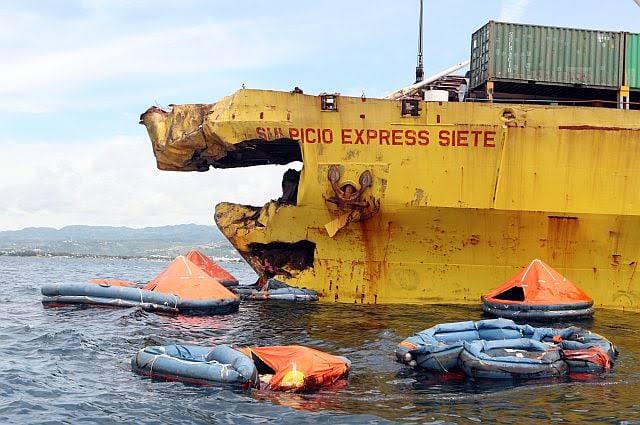
Sulpicio Express Siete

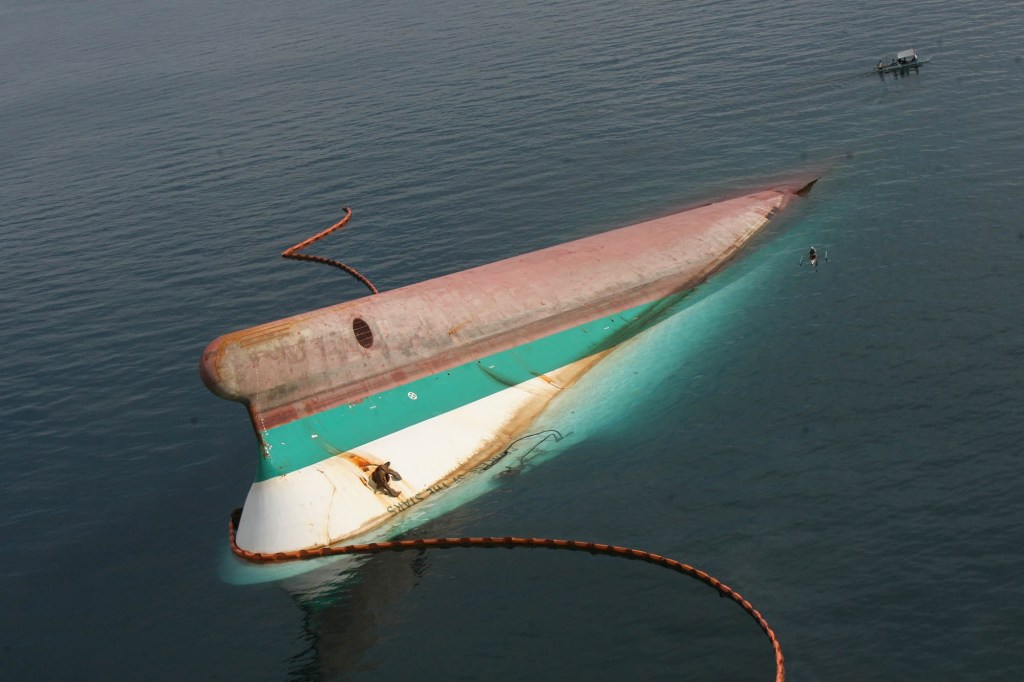
OnAugust 16, 2013, the cargo vessel MV St. Thomas Aquinas a passenger ferry of 2Go Shipping, collided with the cargo ship Sulpicio Express Siete near the Cebu City port. The passenger vessel sank rapidly. More than 100 people died, many of them trapped inside the ship. Oil slicks polluted the waters surrounding Cebu, affecting marine life and the livelihoods of fishermen.

It was a painful reminder: even after leaving the passenger business, the company’s name remained entangled with disaster.

A Legacy of Fortune and Misfortune

Sulpicio Lines was once a symbol of the thriving Cebu maritime industry, a company built with ambition, vision, and the desire to connect an island nation. Its ships carried dreams, reunions, and the everyday stories of Filipinos.

But history remembers it differently.

Not for its scale.

Not for its decades of service.

But for the tragedies, massive, unforgettable, life-altering.

Its story is not just the story of a company. It is the story of a country learning, often painfully, the cost of weak regulations, dangerous seas, and the human tendency to trust that tomorrow’s voyage will always be safe.

The Ill-Fated Sulpicio Lines

A tale of triumph transformed into tragedy. A maritime titan undone not by competition, but by fate, misjudgment, and the unforgiving ocean. A name etched forever in the Filipino consciousness, not as the largest, nor the most successful, but as the most tragic chapter in our maritime history.

MIRACLE ON A BANANA TRUNK: THE INCREDIBLE SURVIVAL OF CHRISTIAN ABANTO

When the world is drowning in tragedy, some stories rise above the waves, reminding us that even in the darkest storms, the human spirit refuses to surrender.

This is one of those stories.

When Typhoon Tino unleashed its fury over Balamban, Cebu, 33-year-old Christian Abanto had only seconds to react. In Barangay Cantuod, where his home once stood strong, the violent floodwaters arrived like a monster, roaring, unforgiving, unstoppable.

In one terrifying sweep, his house was torn from the ground. And Christian, caught in the chaos, was swallowed by the raging currents.

A ‘Missing’ post by his wife on facebook

In the blur of panic and devastation, he grabbed onto the first thing his hands touched, a banana trunk, floating amid the debris. It was fragile, waterlogged, and barely enough to carry one man.

But in that moment, it was life.

It was hope.

It was the thin line between survival and surrender.

For three days and two nights, Christian drifted into the open sea.

No food.

No fresh water.

No idea where he was.

Only the endless horizon and the crash of relentless waves.

He prayed as the sun scorched his skin.

He cried as the cold nights numbed his body.

And every time his strength faded, he whispered to himself:

Dili pa ko mo-undang. Someone is waiting for me.” (I will not give up. Someone is waiting for me.)

He thought of his family.

He thought of home.

He thought of life beyond the storm.

And so he held on, literally—to a single banana trunk, refusing to let go, refusing to be another name added to the tragedy of Tino.

But miracles often come quietly.

Off the coast of San Remigio, a passenger pumpboat crew spotted an unusual silhouette floating on the waves. As they approached, their disbelief turned into urgency, it was a man, exhausted, sunburned, trembling, but alive.

Christian Abanto, lost for three days, was found.

Christian Abanto after he was rescued

A life saved.

A family spared from grief.

A miracle born from faith and sheer will.

Christian’s story is more than survival. It is a reminder.

That even when everything is washed away, your home, your strength, your certainty—hope floats.

That in a sea of despair, one act of courage can carry you through the longest night.

That life, no matter how fragile, can endure if you choose to keep fighting.

In the aftermath of Typhoon Tino, as Cebu mourns and rebuilds, Christian’s miracle shines like a lighthouse in the storm:

We are stronger than the waters that try to drown us.

We are braver than the storms that try to break us.

And as long as we hold on, even to the smallest piece of hope, we can survive anything

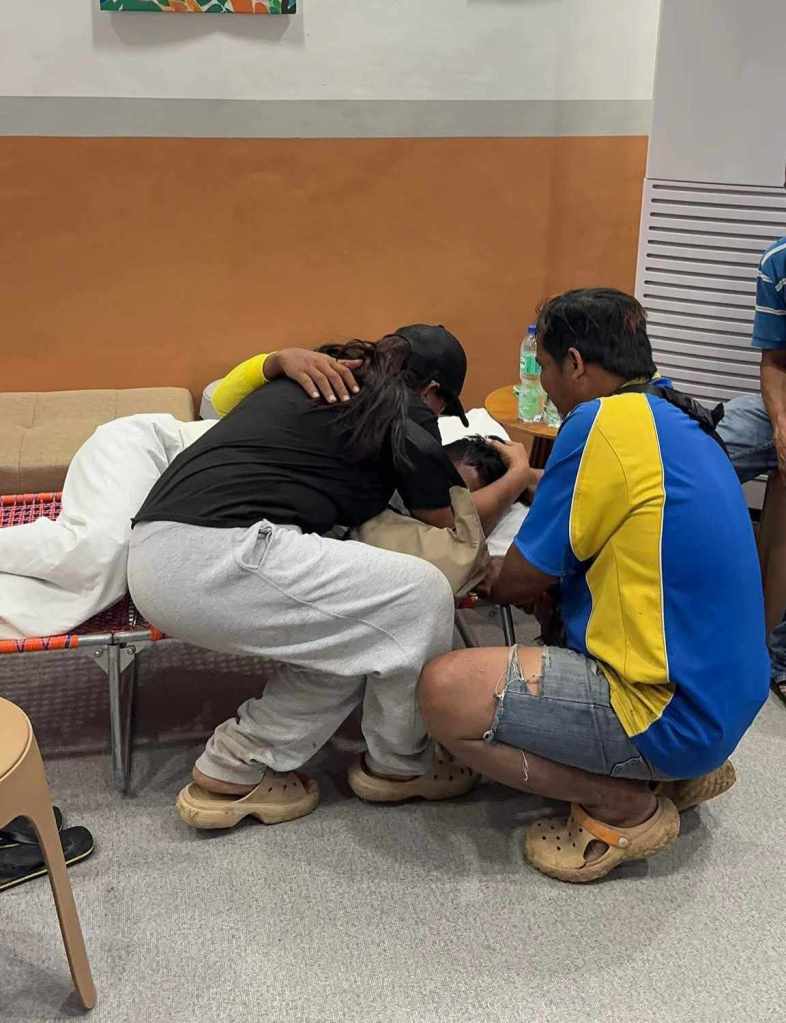
Reunited with his family